

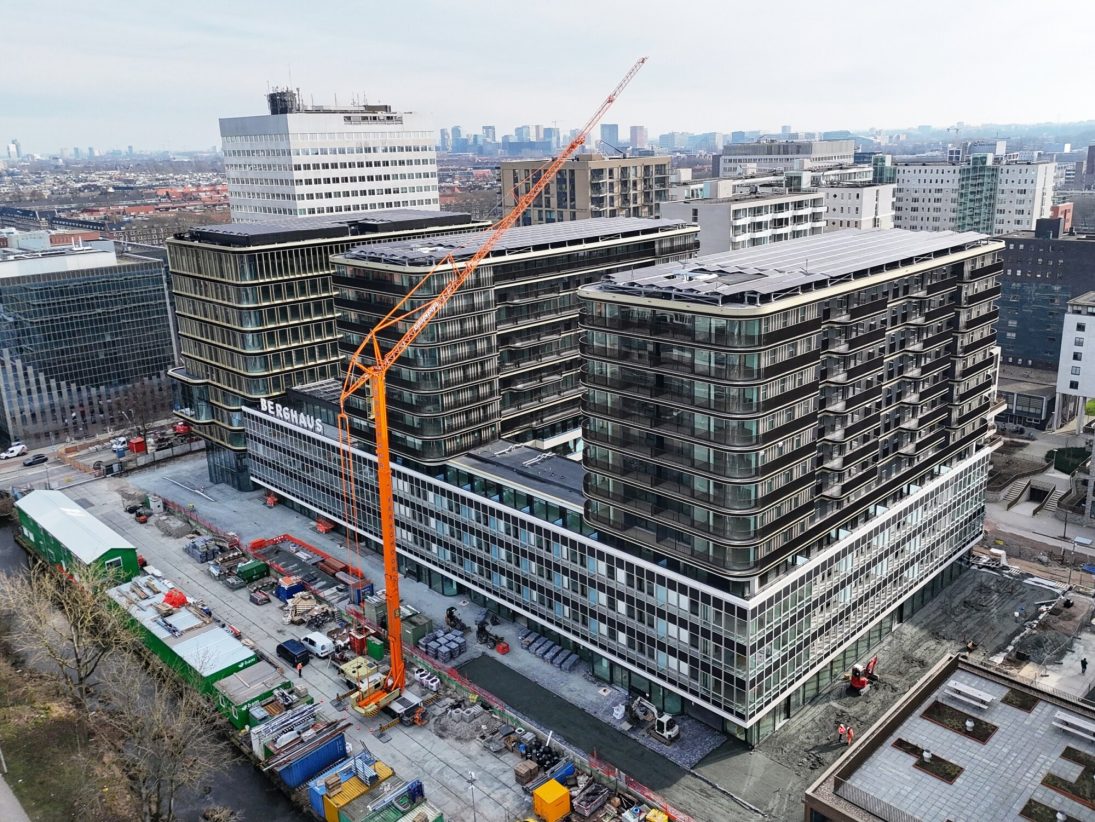
Mobile tower crane or telescopic crane: matching the machine to the way a site actually works
Spierings has set out where a mobile tower crane beats a telescopic crane and where it does not, arguing that lift frequency, site space and transport logistics now weigh as heavily in the decision as raw lifting capacity.
Two machines built for different lifting patterns
Both crane types move loads, but they were developed around different kinds of work. A telescopic crane earns its keep on variety: the extending boom lets an operator pick loads from a range of angles and place them in awkward positions, which suits jobs where every lift is different and the machine is repositioned repeatedly.
A mobile tower crane is built around repetition. The horizontal jib lets the trolley run the hook out and back across a fixed footprint, so materials can be dropped quickly and predictably. On a site involving many lifts through the day, it is that pattern of movement — not the peak load chart — that determines how much work gets done.
Productivity is set by the site, not the load chart
Spierings argues that crane selection has moved well beyond capacity figures and hook heights. Plots are more congested, programmes are shorter and several trades work at once, so the crane increasingly sets the tempo of the whole job. Where lifting is frequent and repetitive, the manufacturer says a mobile tower crane keeps material flowing to more than one team simultaneously, which is what holds a tight programme together.
Mobility is the second half of the argument. A mobile tower crane carries its own transport: it drives to site under its own power, is rigged and operated by the crane driver, and can be folded down and moved on as soon as the lifting is finished. That strips out a layer of logistics compared with machines whose ballast, boom sections or tower elements travel separately.
Where each type fits
According to Spierings, the deciding factors are available space, project duration, logistics planning and the nature of the lifts themselves. Telescopic cranes remain the natural answer where flexibility and a wide spread of lifting tasks dominate; mobile tower cranes come into their own where efficiency, quick relocation and sustained productivity across a working day matter more. In practice the two often complement each other on the same project.
The company also points to technology as part of the equation. Its eLift system allows fully emission-free lifting wherever a mains connection is available, while the Smart Connect platform provides real-time performance data and, in many cases, allows faults to be diagnosed remotely — both aimed at keeping cranes available and sites quieter.
The practical message is to settle the question early. Frequency of lifts, room to set up, required flexibility and the wider programme all shape which machine will actually suit a site, and that assessment is easier to make before the crane is booked than after.
Related Stories
Link-Belt Cranes singled out in Kentucky Manufacturing Month
The Kentucky Association of Manufacturers has highlighted Link-Belt Cranes and its Lexington factory as part of its October…
Zoomlion opens Brisbane branch with all-terrain crane orders
Zoomlion has inaugurated a Brisbane branch, with first orders signed at the opening covering 120-tonne all-terrain cranes and…
Hiab renews ProCare lifecycle services for its crane fleets
Hiab's next-generation ProCare portfolio combines service agreements with remote diagnostics and AI-driven monitoring for loader cranes, rolling out…